Table of Contents
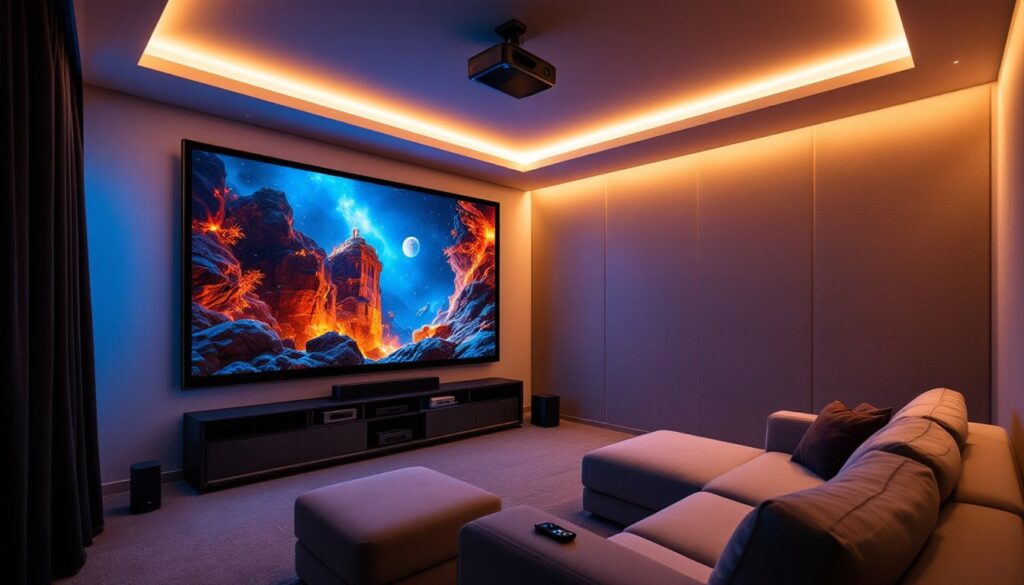
ToggleBuilding a home theater doesn’t have to mean replacing your living room with a dedicated dark cave. A quality projector can transform a regular space into a genuine cinema experience without the permanent renovation headache. Whether you’re a film enthusiast wanting to watch movies as they were meant to be seen, or a sports fan looking for that big-screen immersion on game day, finding the best rated projectors for home theater means understanding what actually matters: brightness, contrast, resolution, and how it fits your room and budget. This guide walks you through the current projector landscape, breaking down the technology, highlighting standout models at every price point, and explaining the features that separate good from great.
Key Takeaways
- The best rated projectors for home theater depend on brightness (lumens), contrast ratio, resolution, and throw ratio—choose based on your room size, ambient light, and budget rather than specs alone.
- Premium 4K laser projectors ($3,000–$8,000+) deliver cinema-grade performance with native 4K, HDR support, and consistent color without lamp degradation, ideal for serious film and sports enthusiasts.
- Mid-range projectors ($1,000–$3,000) offer the best value for most homeowners, combining 4K resolution, 2,000 lumens, and reliable performance without premium pricing or unnecessary features.
- Budget-friendly projectors ($300–$1,000) work well for first-time buyers or secondary spaces, especially in darker rooms, with LED light sources lasting 30,000+ hours and eliminating expensive lamp replacements.
- Key features like short-throw capability, lens shift, dynamic iris, and optical keystone correction significantly improve picture quality and installation flexibility without proportional cost increases.
- Measure your room’s throw distance, lighting conditions, and desired screen size before comparing projector models to ensure you select one that actually fits your space and viewing needs.
Understanding Projector Types And Technology
Projectors come down to three main technologies: DLP (Digital Light Processing), LCD (Liquid Crystal Display), and laser-based systems. DLP projectors use spinning mirrors to direct light and generally offer solid contrast and reliability at reasonable prices. LCD models provide natural color reproduction and work well in brighter rooms. Laser projectors deliver exceptional brightness and color accuracy but come with a higher price tag.
Brightness, measured in lumens, directly affects performance. A projector rated 1,500 lumens works in a semi-dark room: go to 3,000+ lumens if you have ambient light or a larger screen. Resolution matters too, 1080p is acceptable for casual use, but 4K is now standard in mid-range and premium models. Throw ratio (the distance-to-screen-width calculation) determines where you place the projector. A short-throw projector needs only a few feet from the wall, while standard throw requires more distance. Check your room’s layout before buying.
Premium Projectors For The Ultimate Home Theater Experience
If you’re serious about image quality and willing to spend $3,000–$8,000+, premium projectors deliver cinema-grade performance. These models often feature native 4K resolution, advanced color grading, and laser light sources that provide superior brightness and color saturation. They handle HDR (High Dynamic Range) content with nuance, meaning bright highlights and shadow detail remain crisp and visible. Laser light sources are particularly valuable because they maintain consistent color and brightness over thousands of hours without the lamp degradation found in traditional bulb-based systems.
Projectors in this tier also tend to have quieter cooling systems, better lens quality, and more robust connectivity. Some include motorized focus and keystone adjustment, reducing installation hassle. Premium models typically come from brands with strong service networks, which matters when you’re protecting a significant investment.
High-End 4K And Laser Options
Top-tier projectors use laser light engines, either solid-state or phosphor-based, delivering unmatched brightness and color volume. A 4K laser projector with HDR support renders blockbuster movies and sports broadcasts with cinematic fidelity. Look for models offering 2,000+ lumens, native 4K resolution, and a contrast ratio above 40,000:1. These projectors handle 120Hz refresh rates, important for sports and fast-action content. According to comprehensive guides on the, modern laser systems have become more reliable and affordable than ever. Noise levels on quality units stay under 30 decibels, so they won’t dominate your viewing environment.
Mid-Range Projectors That Deliver Excellent Value
The sweet spot for most homeowners sits between $1,000 and $3,000. Mid-range projectors offer 4K resolution, solid brightness (1,500–2,500 lumens), and reliable performance without premium pricing. Many use DLP or advanced LCD technology paired with LED or hybrid light sources, balancing lifespan with image quality. At this level, you get meaningful HDR support, decent contrast ratios, and enough connectivity for modern streaming devices.
Mid-range models work well in dedicated media rooms or living rooms with blackout control. They’re bright enough for screens up to 120 inches and handle both movies and gaming without struggling. Setup is straightforward, most include basic keystone correction and simple menu navigation. Warranty and support are generally solid, with many manufacturers offering 2–3 year coverage.
Best Choices For Most Homeowners
If you can install blackout curtains or build a semi-dark theater space, a mid-range 4K projector with 2,000 lumens covers most scenarios. Look for models with dynamic iris (adjusts light output per frame for better black levels) and lens shift (moves the image without distorting it). These features improve picture quality noticeably without ballooning the price. Many homeowners find that smart home technology integration adds convenience, projectors with networked controls let you adjust settings from your phone. Models in this range typically have quiet fans (under 35 decibels) and use affordable replacement lamps or long-life LEDs, keeping ongoing costs manageable.
Budget-Friendly Projectors For First-Time Buyers
Starting a home theater on a $300–$1,000 budget is totally realistic. Entry-level projectors deliver 1080p resolution, 1,000–1,500 lumens, and passable color accuracy. These work best in darker rooms or for casual use. LED light sources last longer than traditional lamps (often 30,000+ hours), reducing replacement costs over time.
Budget projectors skip some conveniences, manual focus, basic remote controls, limited keystone adjustment, but they handle streaming movies, sports, and gaming without complaint. Noise levels can be higher (40+ decibels), and black levels aren’t as deep as pricier models. Warranty coverage is typically 1 year. For a first home theater or a secondary space, budget projectors prove that you don’t need to spend big money to enjoy big-screen entertainment.
When evaluating budget options, prioritize lumens for your room size and brightness level. A 1,200-lumen projector works fine for a dark bedroom but struggles in a living room with windows. Consider tested product recommendations from trusted home reviewers to identify reliable budget models with solid user feedback. Check return policies carefully, if the image doesn’t meet expectations after setup, returning it matters.
Key Features To Consider Before Buying
Throw Ratio defines where you can place the projector. Standard throw projectors need 1.5 times the screen width in distance: short-throw models need only 0.4–0.6 times. If your room is tight, short-throw saves you from mounting the projector far back or near the ceiling.
Keystone Correction adjusts the image trapezoid when the projector isn’t perpendicular to the screen. Optical keystone (using a tilted lens) preserves resolution better than digital correction, which crops pixels.
Lens Shift physically moves the lens to center the image without distortion. It’s invaluable when ceiling mounting isn’t possible.
Brightness (Lumens) matters most in rooms with ambient light. Factor in screen size: a 100-inch screen in a dark room needs 1,500–2,000 lumens, while 2,500+ lumens handles brighter conditions.
Contrast Ratio measures the difference between darkest blacks and brightest whites. Look for at least 10,000:1: premium models reach 40,000:1 or higher.
Connectivity should include at least one HDMI 2.1 input (for 4K at 60Hz or 1080p at 120Hz), USB ports for streaming sticks, and optional smart TV integration.
Cooling Noise becomes noticeable in quiet rooms. Check decibel ratings, under 30 dB is whisper-quiet: above 40 dB may distract during dialogue-heavy scenes.
Measure your mounting space, note room lighting conditions, and decide on screen size before comparing specs. These details guide you straight to projectors that’ll actually work in your home.