Table of Contents
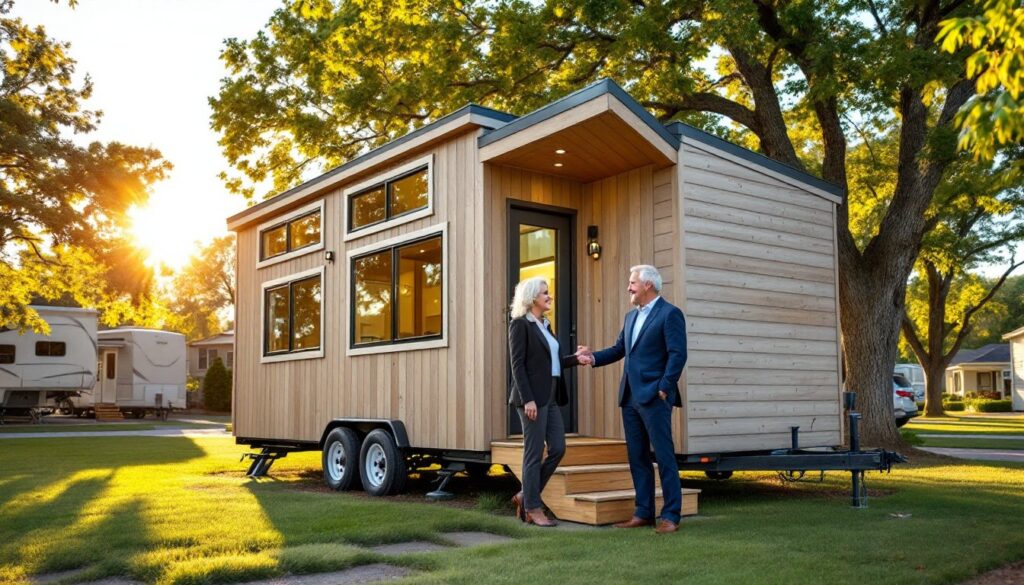
ToggleTiny homes on trailers represent one of the most practical housing solutions emerging in today’s market. These mobile dwellings combine affordability, flexibility, and sustainability into a single package that appeals to first-time buyers, retirees, and anyone seeking to downsize without sacrificing quality of life. Whether you’re drawn to the financial freedom, the ability to relocate, or the eco-conscious appeal of compact living, understanding what’s available and how to evaluate your options is crucial. This guide walks you through everything you need to know about purchasing a tiny home on a trailer in 2026, from spotting legitimate sellers to navigating zoning laws and securing financing.
Key Takeaways
- Tiny homes on trailers offer affordable housing at $35,000–$80,000 with lower utility costs and minimal maintenance compared to traditional homes.
- Gooseneck trailers provide more interior space and better weight distribution, while bumper-pull trailers cost less but require less towing power.
- Before purchasing a tiny home on a trailer, verify structural integrity through a certified inspector and confirm all systems (plumbing, electrical, HVAC) function properly.
- Legal zoning restrictions vary significantly by location—check local regulations before buying, as many jurisdictions classify tiny homes on trailers as RVs rather than permanent residences.
- Financing options are limited; expect RV loans at 6–10% interest, personal loans at 8–15%, or specialized lenders requiring strong credit (700+), with down payments of 10–20%.
- Confirm parking location legality, secure proper insurance (RV or mobile home policies at $500–$1,500 annually), and ensure you own or have written permission to place the tiny home on trailer before closing.
What Makes Tiny Homes On Trailers An Attractive Housing Option
Tiny homes on trailers (THOW) have gained traction because they solve real problems. The average cost runs $35,000 to $80,000 depending on square footage and customization, significantly less than a traditional home down payment in most markets. Ownership doesn’t require raw land: you can park on family property, RV parks, or deed-restricted tiny home communities.
These homes also appeal to people tired of maintenance overhead. A 300-square-foot space needs less cleaning, heating, and repairs than a 2,000-square-foot house. For retirees or remote workers, the mobility is genuine: you can pull up stakes and relocate without selling property or navigating a lengthy transaction.
Sustainability matters too. Smaller footprints mean lower utility bills, reduced material consumption, and a lighter environmental impact. Many trailer-based tiny homes use efficient appliances, LED lighting, and good insulation as standard features. If you’re concerned about housing affordability or lifestyle simplicity, this option deserves serious consideration.
Key Types Of Trailer-Based Tiny Homes To Consider
Tiny homes on trailers come in several configurations, each with different trade-offs.
Gooseneck trailers are the industry standard. They sit higher off the ground, offer better weight distribution, and typically span 8 feet wide by 20–40 feet long. This format gives you more interior space and easier towing with a heavy-duty truck. Most are built to a nominal 12:12 pitch roof for water shedding and sometimes a loft bedroom.
Bumper-pull trailers are narrower (usually 8.5 feet wide by 20–32 feet) and lighter, requiring less towing power. They cost less upfront but sacrifice some interior room. If you don’t own a capable truck, this might be your only option.
Expandable or slide-out models let you increase living space when parked. A bedroom or kitchen section can extend outward, then retract for towing. These cost more but offer flexibility if you entertain or need workspace.
Skoolie conversions (converted school buses) operate similarly but on a different platform. They’re often cheaper and have a loyal enthusiast community, though finding one that’s professionally built, not a DIY project, takes research.
When comparing, check the dry weight and GVWR (Gross Vehicle Weight Rating). The towing vehicle must exceed the GVWR by a safe margin: underpowered towing causes accidents and trailer damage.
How To Find And Evaluate Tiny Homes On Trailers For Sale
The primary marketplaces are TinyHomeHub, Tinymehouse.com, Facebook groups dedicated to tiny living, and niche builders. Some people advertise through Craigslist or local RV dealers: be cautious about unfinished or amateur builds in these channels.
Check builder credentials carefully. A reputable builder should have references, a portfolio of completed homes, and transparency about construction materials and standards. Ask whether the home meets the ANSI/ARCA specifications for RV construction or, ideally, exceeds them with residential-grade finishes.
When evaluating a specific unit, tour it in person if possible. Look for water leaks around seams, windows, and roof edges. Check that all plumbing is clearly labeled and properly vented. Inspect electrical outlets and breaker panels, they should be grounded and protected with GFCIs in wet areas. Open and close doors, windows, and appliances: watch for loose hardware or warped cabinetry.
Don’t skip the walkthrough checklist. Photograph or video everything inside and out, including condition stamps on appliances and water damage patches. Sellers should provide documentation of any repairs. If something feels off, spongy subfloor, mold smell, or vague answers, walk away.
Essential Factors To Evaluate Before Making An Offer
Structural integrity is paramount. Trailers degrade from rust, impact, and poor maintenance. Request a detailed inspection report from a certified RV or tiny home inspector, not the seller. Damage to frame, axles, or undercarriage can be catastrophic and expensive to repair.
Liveability systems must function reliably. Test the water heating system under load (you want hot water at the shower after running the kitchen sink). Verify that the HVAC unit heats and cools: window-mounted units are cheaper but less efficient than central systems. Check that the refrigerator, stove, and toilet work without leaks or strange noises.
Insulation and ventilation prevent condensation and mold. Ask about R-value in walls and roof. Does the home have exhaust fans in the bathroom and kitchen? These aren’t luxuries: they’re essential in tiny spaces where moisture concentrates fast.
Weight and towing capacity matter more than you’d think. Confirm your truck can safely tow this exact model and weight. If you don’t own a truck capable of towing, factor in that purchase or long-term rental. Trailer hitches, brake controllers, and wiring add another $1,500–$3,000 if not already in place.
Finally, verify the home has proper documentation: title, bill of sale, warranty info, and manufacturer specs. Undocumented homes are nearly impossible to finance or insure.
Legal And Zoning Considerations For Tiny Home Trailers
This is where many buyers stumble. Tiny homes on trailers occupy a legal gray area. In most jurisdictions, they’re classified as RVs or mobile homes, not permanent residences. That distinction affects where you can legally park them.
Check with your local planning and zoning department before purchasing. Some cities allow THOWs in designated tiny home communities but ban them in traditional neighborhoods. Rural areas and counties are often more permissive. A few forward-thinking municipalities (parts of Oregon, Colorado, and Minnesota) have created explicit THOW zoning, but this is still rare.
If you own land, understand that deed restrictions or HOA rules may prohibit mobile structures. Get a lawyer to review your property’s restrictions. If you’re buying to place on family land, confirm in writing that the family member who owns the property allows long-term THOW placement and won’t change their mind.
Permits and inspections vary wildly. Some locations require a foundation, electrical permit, and plumbing inspection before hookup. Others treat it as an RV and require only a parking permit. The cost difference is huge: expect $500–$3,000+ in permitting depending on jurisdiction.
Insurance is another puzzle. Traditional homeowner’s policies don’t cover THOWs. You’ll need an RV or mobile home policy, which costs $500–$1,500 annually and offers less coverage than home insurance. Lenders care about this: financing is harder without adequate insurance options.
Financing And Cost Expectations For Your Tiny Home Purchase
Financing a tiny home on a trailer is tougher than financing a traditional house. Banks see them as depreciating assets (like RVs), not appreciating property. Conventional mortgages are almost never available.
Your realistic options: personal loans, RV loans, or specialized tiny home lenders. Personal loans typically max out at $40,000–$50,000 and carry interest rates of 8–15% depending on credit. RV loans cap the term at 15 years (versus 30 for mortgages) and charge 6–10% interest. Specialized lenders like Tiny Home Lenders or Tradewinds Climate Systems sometimes offer better terms but require strong credit (usually 700+).
Down payments run 10–20%. Don’t forget closing costs, insurance, setup fees, and potential permits. The all-in cost to own and place a $50,000 tiny home often totals $60,000–$65,000.
Operating costs are genuinely lower. Utilities on a tiny home average $80–$150 monthly versus $150–$300 for a standard house. Property tax depends on classification: RVs typically avoid it, while homes on owned land may incur it. If renting space in a tiny home community, expect $500–$1,500 monthly lot rent, which covers water, sewer, and maintenance.
Market trends suggest prices remain stable, though builders are adapting to inflation. Shopping from established builders with waiting lists is safer than bargain hunting from newcomers.
Making Your Final Decision: Is A Tiny Home Trailer Right For You?
A tiny home on a trailer suits you if you prioritize affordability, flexibility, and simplicity over traditional equity building. It’s ideal for retirees, remote workers, or people testing minimalist living before committing long-term. It’s not right if you need consistent financing options, stable property value, or the ability to age in place without relocating infrastructure.
The real appeal isn’t the novelty, it’s solving the housing affordability crisis while sidestepping the maintenance burden of a larger home. Organizations like Curbed and Apartment Therapy frequently cover small-space living trends and community models that are reshaping residential patterns.
Before signing, step back and ask: Where will I park this legally? Do I own or can I afford suitable land, or am I relying on family? Can I get financing and insurance? Do I have a truck or money to rent a tow service? Am I genuinely ready to live in 300–400 square feet, or am I romanticizing the idea?
If you answer yes to those questions and find a well-built, properly documented home with a seller’s full transparency, a tiny home on a trailer can deliver real freedom. Just don’t skip due diligence on inspection, zoning, and financing. The money you save upfront means nothing if you end up with a money pit or legal headaches.