Table of Contents
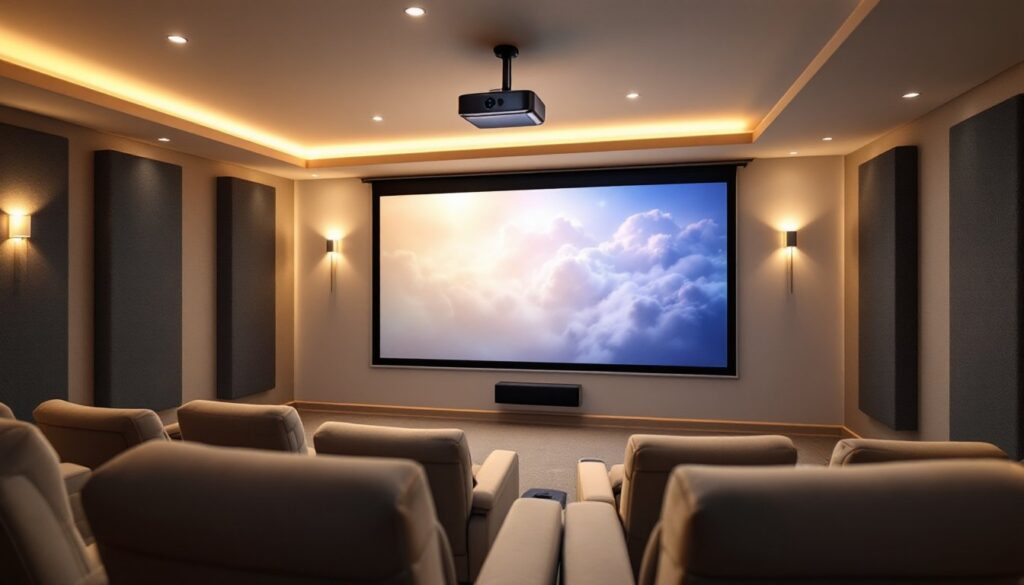
ToggleBuilding a home theater is one of those projects that pays dividends every time you settle in for a movie night. Unlike other upgrades, a quality projection system transforms your entire viewing experience, no shrinking image, no washed-out colors, just cinema-grade performance in your living room. Laser projectors have become the gold standard for serious home theater setups over the past few years, and for good reason: they deliver brightness, contrast, and color accuracy that LCD and DLP projectors struggle to match. If you’re considering a laser projector for your space, this guide walks you through what to look for, how to size the right unit for your room, and why the investment might be worth every penny.
Key Takeaways
- Laser projectors for home theater deliver 20,000–25,000 hours of consistent brightness, lasting 10–20 years compared to lamp-based projectors that need replacement every 2–5 years.
- Choose brightness based on your room’s ambient light: aim for 1,500–2,000 lumens in a blackout theater, or 2,500–3,500 lumens if your space has windows or regular lighting.
- Native contrast ratios (not dynamic) matter more than absolute brightness for picture quality—look for 15,000:1 to 100,000:1 to ensure blacks appear genuinely black rather than dark gray.
- Use the manufacturer’s throw distance calculator to confirm your projector can fill your screen size from your planned mounting position, preventing incompatible purchases.
- Budget $3,000–$15,000 for a quality laser projector, and allocate an additional 15–20% of your projector cost toward the screen and installation, since a mediocre screen undermines performance.
Why Laser Projectors Are The Gold Standard For Home Theater
Laser projectors use solid-state laser light sources instead of traditional lamps or LEDs, and that difference matters. A typical lamp-based projector might last 2,000 to 5,000 hours before needing replacement, that’s roughly 2-5 years of normal use. A laser projector’s light source runs 20,000 to 25,000 hours, meaning you could go 10-20 years before considering a replacement. Beyond lifespan, laser technology delivers consistent brightness throughout the bulb’s life. Lamp-based projectors dim gradually: you don’t notice it happening, but one day your image looks noticeably dimmer than it did a year ago. Laser projectors maintain output until they eventually fail, giving you predictable performance.
Brightness and contrast are where lasers really shine. A quality laser projector for home theater typically produces 2,000 to 3,500 lumens, enough to maintain picture quality even if your room has some ambient light. This matters if you’re not building a dedicated blackout theater room. Contrast ratios on laser units often exceed 100,000:1, meaning blacks look genuinely black instead of dark gray. That deep contrast is what makes nighttime scenes pop and makes you forget you’re watching a projection instead of a display. Finally, laser projectors produce a wider color gamut, hitting closer to Rec. 709 color standards right out of the box. Film studios grade content expecting this color accuracy, so a laser projector gets you closer to the filmmaker’s intent.
Key Features To Consider Before Buying
Before dropping $3,000 to $15,000+ on a laser projector, understand the specs that actually affect your viewing experience.
Brightness, Contrast, And Color Accuracy
Lumens measure brightness, and the number you need depends entirely on your room. A dedicated home theater with blackout curtains and light control works great at 1,500 to 2,000 lumens. If your setup shares wall space with windows or you have a lit living room, aim for 2,500 to 3,500 lumens. Going much brighter wastes money and can actually hurt image quality, oversized projectors pushed to their minimum brightness setting perform worse than units operating near their sweet spot. Contrast ratio matters more than absolute brightness for picture quality. Look for specs listing native (not dynamic) contrast ratios, which show the real difference between brightest whites and darkest blacks without processing tricks. Modern laser projectors typically deliver 15,000:1 to 100,000:1 native contrast.
Color accuracy gets measured in Delta E values, where lower is better. Most manufacturers don’t publish this spec directly, so check professional reviews from sites like Tom’s Guide or Digital Trends that actually test calibration out of the box. A projector hitting 2.0 Delta E or lower means colors stay true to source material without weird color casts. If a projector supports lens shift and zoom, optical adjustments that move the image without moving the unit, it’s easier to mount and position, and you’ll get better image uniformity.
How To Choose The Right Laser Projector For Your Space
Start by measuring your room and identifying where you’ll mount the projector. Sketch a rough layout with your screen location and potential projector positions. Visit the manufacturer’s website and use their throw distance calculator, enter your screen size and they’ll show you exactly where to position the unit. This simple step prevents buying a projector that either can’t fill your screen or has to sit uncomfortably close. Once you’ve confirmed throw distance compatibility, measure ceiling height, obstructions, and heat ventilation paths. A projector exhaust shouldn’t blow directly onto a sitting area or furniture.
Next, assess your ambient light situation honestly. If your room gets afternoon sunlight, you need more lumens than a dedicated blackout theater requires. If you’re treating it as a second living area with regular lights, don’t skimp on brightness. Visit a showroom or watch detailed YouTube reviews showing the exact projector you’re considering in various lighting conditions, that beats reading marketing specs. Look specifically for reviews from channels that calibrate units before testing, since a poorly adjusted projector gives you a false impression.
Budget matters, but don’t use it as your primary filter. A $3,000 laser projector beats a $1,500 laser projector in meaningful ways: better optics, quieter cooling fans, more intuitive interfaces, and stronger warranties. Real-world reviews comparing mid-range and premium models, like those at Good Housekeeping, highlight which features justify the cost jump. Finally, factor in mounting hardware, screen cost, and cables into your total budget. A $5,000 projector paired with a $800 screen and proper installation runs closer to $6,500 total. Many buyers regret underbudgeting on the screen, a mediocre screen undermines projector quality faster than any other component.
Conclusion
Laser projectors represent a genuine leap forward for home theater, trading recurring bulb costs and gradual dimming for 15-20 years of consistent, vibrant performance. Measure your space, understand your brightness needs, and verify throw distance before committing. The right unit transforms movie nights, watch for it, and you’ll understand why laser’s become the standard for anyone serious about home cinema.