Table of Contents
ToggleWallpaper can make or break a bedroom’s vibe, and when you’re decorating a shared space, finding the right design becomes even more personal. Cute couple wallpaper ideas give you a chance to blend both aesthetics into a cohesive look that feels inviting, stylish, and uniquely yours. Whether you lean toward romantic florals, soft pastels, playful patterns, or modern minimalism, wallpaper offers a quick way to set the tone for the room without a full renovation. This guide walks you through popular wallpaper styles for couples, what to consider before you buy, and how to install it properly so it lasts.
Key Takeaways
- Cute couple wallpaper ideas range from romantic florals and soft pastels to playful patterns and minimalist designs, allowing you to blend both aesthetics into a cohesive bedroom look without a full renovation.
- Floral wallpaper with muted tones like blush pink and sage green works best on a single feature wall; verify the repeat pattern (20–27 inches for small rooms) and backing type (prepasted or non-pasted) before purchasing.
- Soft pastel color palettes create a calming, stress-reducing bedroom environment that suits most couples and makes small spaces feel larger, especially when paired with warm wood tones and dimmable LED lighting.
- Whimsical and playful patterns should be limited to accent walls to avoid overwhelming the space, while custom designs from platforms like Etsy or Spoonflower let couples create truly unique wallpaper at higher price points.
- Proper installation is critical for wallpaper longevity: prepare walls by patching and priming, mark a plumb line for pattern alignment, and smooth air bubbles from center outward to prevent seam issues.
- Wallpaper prices range from $30–$150 per roll for florals and $40–$200+ for custom designs; hiring a professional installer is worth the investment to avoid costly mistakes and ensure expert pattern matching.
Romantic Floral and Botanical Designs
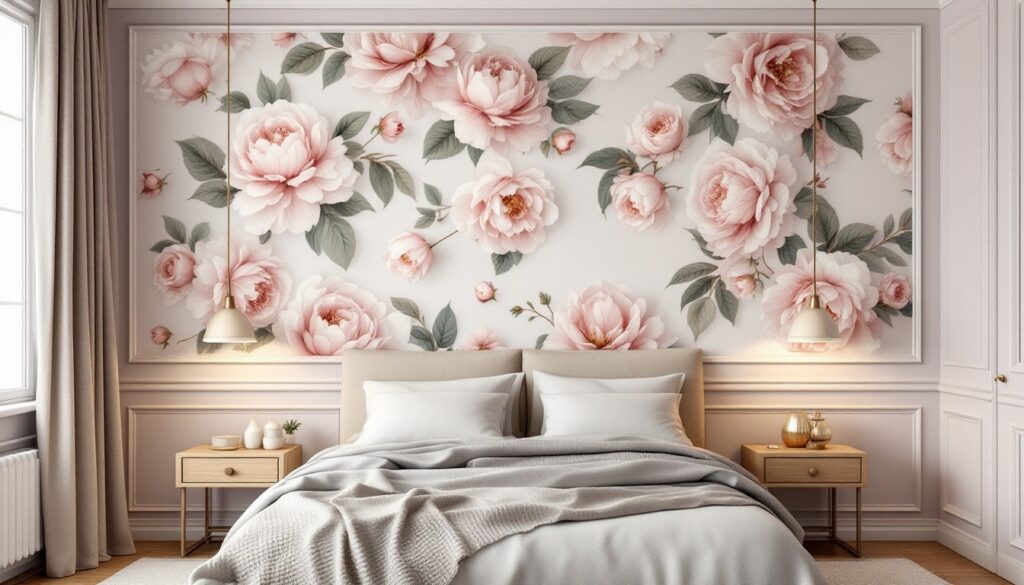
Floral wallpaper remains the go-to choice for couples wanting warmth and romance without being over-the-top. Look for designs with oversized blooms, peonies, roses, or dahlias, in muted or jewel tones like blush pink, sage green, or deep burgundy. These botanicals work well on a feature wall (usually the wall behind the bed) rather than all four walls, which can feel overwhelming.
Botanical prints that include leaves, stems, or vining patterns add depth and texture without requiring actual texture underlayment. Designs with watercolor finishes feel softer and more forgiving than highly detailed or photorealistic florals. Before ordering, check the repeat pattern: a larger repeat (typically 20–27 inches) works better for feature walls and small rooms, while smaller repeats (6–12 inches) fill space more quickly but can feel busy.
When selecting floral wallpaper, verify the backing type. Prepasted wallpaper (paste already applied to the back) is beginner-friendly, while non-pasted requires a separate paste and offers more working time. Vinyl-backed florals resist moisture better in bathrooms or humid climates, but paper-backed versions often have richer, more authentic print quality. Expect floral wallpaper to range from $30–$150 per roll depending on brand and material: a standard roll covers approximately 56 square feet.
Pastel and Soft Color Palettes
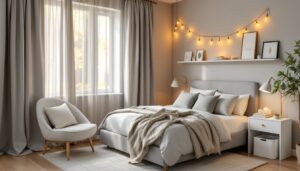
Soft color palettes, think blush, lavender, pale yellow, mint, and warm gray, create a calming, intimate bedroom environment that appeals to most couples. These hues work with nearly any decor style and don’t demand attention the way bold colors do, making them ideal if you’re uncertain about committing to a strong statement.
Matte finishes in pastel wallpapers feel more luxurious and modern than glossy versions. Pair them with solid-colored accent walls or complementary trim for a layered look. Pastel wallpapers with subtle geometric, damask, or tonal stripe patterns add visual interest without clashing with artwork or furniture. Many interior designers favor soft palettes because they photograph well and feel emotionally soothing, research from color psychology shows that muted, cool tones reduce stress and promote relaxation, which is exactly what a bedroom should deliver.
Creating a Calming Atmosphere With Light Hues
To maximize the calming effect of light wallpaper, pair it with white or off-white trim and a ceiling color that’s either the same as the walls or slightly lighter. Avoid high-contrast dark furniture or accessories directly against pale walls: instead, use warm wood tones, soft textiles, and neutral lighting. Dimmable LED bulbs in warm color temperatures (2700K) complement pastel wallpaper better than bright white or cool-toned bulbs.
Light hues also make small bedrooms feel larger, a practical benefit beyond aesthetics. Keep in mind that very pale wallpapers can show dust and fingerprints more readily, so washable or scrubbable finishes are worthwhile if you have pets or kids. When you’re ready to shop, modern design inspiration from resources like Decoist showcases how professional designers layer soft palettes with decor to achieve balanced, serene spaces.
Whimsical and Playful Patterns
If romance feels too safe, whimsical patterns inject personality and playfulness into a shared bedroom. Think quirky animal illustrations, hand-drawn stars, playful typography, or abstract shapes in cheerful colors like coral, navy, or forest green mixed with cream or white.
Whimsical designs work best when applied to one accent wall or in a narrower space (like a wall niche or hallway leading to the bedroom). Going all-in on a busy, playful pattern on all four walls can feel exhausting rather than restful. Consider the scale: large, spaced-out motifs feel more contemporary, while dense, small-scale patterns read as busier and more traditional.
Payful patterns also play well with eclectic decor. A couple with vintage furniture and modern art can lean into artisan-printed or artist-designed wallpapers, many indie designers on platforms like Etsy or Spoonflower allow customization of scale, color, and repeat. These custom options typically cost more (sometimes $80–$200+ per roll) but let you create something truly unique. For standard whimsical patterns from major brands, expect $40–$100 per roll. Vinyl finishes are worth the extra cost here since these designs are meant to be fun and durable through years of enjoying them.
Minimalist and Modern Couple-Inspired Wallpapers
Minimalist wallpapers suit couples who prefer restraint: simple geometric patterns, subtle textures, or monochromatic colorways that feel sophisticated rather than sparse. Think vertical lines, minimalist grid patterns, soft herringbone, or wallpapers with tonal texture effects that add depth without shouting for attention.
Modern couple wallpapers often feature paired motifs, two geometric shapes, interlocking lines, or abstract forms that suggest unity without being cliché. Brands increasingly design wallpapers specifically marketed as “couple-friendly,” which typically means balanced, non-gendered aesthetics that work for any pairing. Neutral bases (cream, gray, white, taupe) with subtle contrast in the pattern itself keep things clean and timeless.
The advantage of minimalist designs is longevity: they’re less likely to feel dated in five years compared to bold trends. They also pair seamlessly with furniture and decor you might swap out later, making wallpaper less of a long-term commitment. Modern design resources like Homify catalog hundreds of minimalist bedroom setups so you can see how understated wallpapers integrate with the bigger design picture.
Installing Your Wallpaper for Best Results
Proper installation makes or breaks wallpaper longevity. Start by prepping your walls: patch holes with spackling compound, sand smooth, and wipe down dust with a tack cloth. Prime with a wallpaper primer if walls were previously painted in dark colors or if the surface is glossy, primers help adhesion and make future removal easier.
Measure each wall carefully and plan your layout before opening rolls. Wallpaper patterns must align at seams, so measure from the ceiling down and account for the repeat pattern. Mark a vertical plumb line using a level on the wall where you’ll start: this prevents patterns from gradually drifting sideways across the wall.
Apply paste evenly (for non-pasted) or activate prepasted paper by soaking in a water tray. Hang from top to bottom, smoothing as you go to remove air bubbles. Use a plastic squeegee or smoothing tool, working from the center outward. Let each strip set slightly before hanging the next: this prevents paste from squishing out at seams. Trim excess at the top and bottom with a sharp utility knife and a straightedge. If you’re uncertain, hiring a pro is worth the cost, wallpaper mistakes are harder to undo than paint, and experienced hangers know tricks for tricky layouts, corners, and pattern matching that save time and frustration. Design Milk’s contemporary furniture and architecture pieces often include wallpapered spaces showing professional installation standards.
Conclusion
Choosing wallpaper as a couple means finding a design that reflects both tastes and creates a space you both want to spend time in. Whether you go floral, soft, playful, or minimalist, the best choice is one that feels intentional and cohesive with your bedroom’s overall style. Take your time measuring, prep walls thoroughly, and don’t hesitate to consult a professional installer if you’re uncertain, your bedroom deserves the effort.