Table of Contents
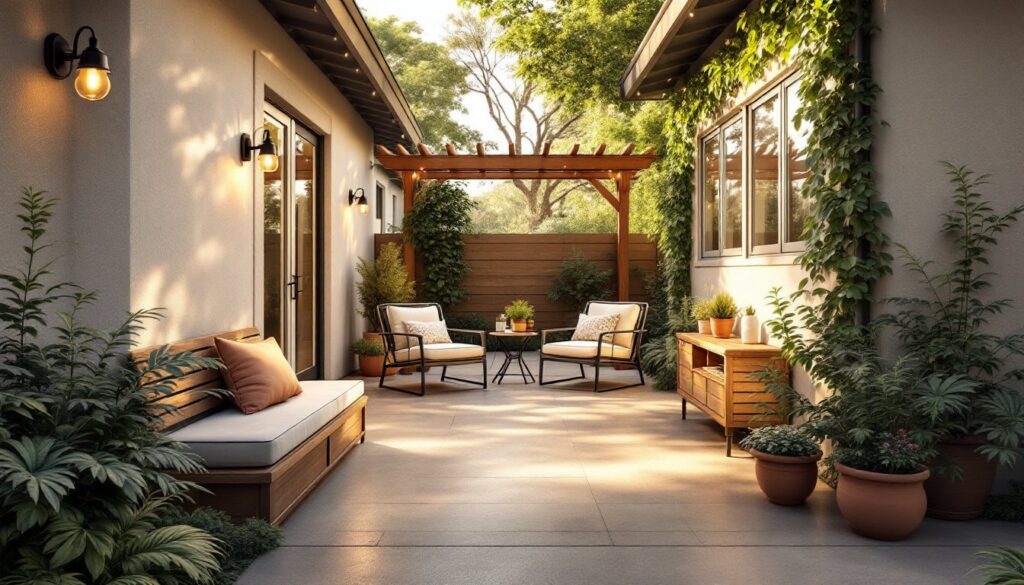
ToggleA side patio often gets overlooked, relegated to storage, recycling bins, or simply bare hardscape. But that narrow strip between your house and property line holds serious potential, it’s the perfect canvas for an outdoor retreat that extends your living space and adds real value to your home. Whether you’ve got a compact 8-by-12-foot space or something more generous, intentional design and practical improvements can transform it into an inviting area for morning coffee, evening relaxation, or intimate gatherings. This guide walks you through the key decisions: layout, flooring, lighting, furniture, greenery, and privacy solutions that actually work in tight quarters.
Key Takeaways
- Smart side patio ideas start with careful measurement and zoning to maximize even compact spaces and ensure safe foot traffic flow.
- Flooring choices like stained concrete, pavers, or composite decking set the tone and require proper drainage and maintenance for longevity.
- Layered lighting with ambient sconces, task lighting, and solar pathway lights transforms a side patio into an inviting evening retreat.
- Space-efficient furniture like built-in benches and folding chairs, combined with vertical gardening, prevent clutter in tight side yard areas.
- Privacy fencing, pergolas, and wind-buffer plantings significantly improve comfort and usability when protecting against neighbors’ views and exposure.
- Proper drainage, secure footings, and code-compliant electrical work provide the foundation for a durable side patio that adds real home value.
Define Your Space With Strategic Layout And Zoning
Before buying anything, measure your side patio carefully, inside dimensions, not the perimeter of the house. Account for existing utilities: water spigots, electrical outlets, AC units, or downspouts. These fix where you can and can’t place furniture or hardscape features.
Divide your space into functional zones, even if the whole area is small. A 10-by-15-foot side patio might include a narrow seating zone (5-by-8 feet), a small table area (5-by-5 feet), and a pass-through pathway for safe foot traffic. Keep the sightline clear from the house, you want to see and enjoy the space from inside.
Consider traffic flow. If the side patio connects your front yard to back, maintain a 3-foot minimum walkway so people don’t have to step around furniture. If it’s a dead end, you have more freedom to spread out. Sketch a rough layout on graph paper and test it in place with cardboard or chalk lines before committing to permanent elements.
Choose The Right Flooring And Ground Cover
Flooring anchors your patio and sets the tone. Concrete is practical and budget-friendly, but plain gray slabs feel cold. Stain it with a concrete sealer tinted to warm gray, tan, or charcoal. Allow 2 weeks curing time between finishing and sealing. Pressure wash annually to keep it looking fresh and prevent algae growth.
Pavers and natural stone (flagstone, limestone, or slate) cost more but age beautifully and suit most home styles. Lay them over a 4-inch compacted base of 3/4-inch gravel, then 1 inch of polymeric sand. Polymeric sand hardens when wet and locks pavers in place, reducing shifting and weed growth. Between stones, leave 1/8- to 1/4-inch gaps, they’ll settle slightly over time.
Wood decking works if your side patio gets dappled shade and good airflow. Pressure-treated lumber, composite, or tropical hardwoods all resist rot better than standard pine. Keep a 1/4-inch gap between boards for water drainage. Sand and seal every 2 to 3 years. In tight spaces where moisture lingers, wood can become slippery: composite materials resist that better. Permeable pavers or recycled rubber mulch are good low-budget options if your patio stays informal. They drain well and reduce maintenance.
Create Ambiance With Outdoor Lighting Solutions
Lighting transforms a side patio from unusable after dark to genuinely livable in the evening. Layer your lighting for flexibility and mood.
Start with ambient light. Wall-mounted sconces flanking a doorway or mounted every 6 to 8 feet provide general illumination without harshness. Warm color temperatures (2700K to 3000K) feel inviting: 4000K or higher reads as institutional. Solar pathway lights cost almost nothing, work without wiring, and outline walkways safely. Expect 6 to 8 hours of runtime per charge during longer days.
Task lighting is key for functional zones. Overhead string lights strung between the house and a post, or draped in a scallop pattern, give cozy directional light and work well on patios with tight overhead clearance. LED options use 80% less energy than incandescent bulbs and last 15 to 25 years. Ensure any permanent outdoor wiring meets local electrical codes and use GFI (ground fault interrupt) outlets, which trip if moisture is detected. Rough-in electrical during construction if possible: retrofitting is messier and costlier.
Accent lighting with small spotlights trained on foliage or architectural features adds dimension. Warm-toned uplighting on greenery reads as sophisticated: bright white backlighting can feel harsh unless intentional.
Add Comfort With Seating And Furniture
In a tight side patio, every piece of furniture must earn its space. Measure furniture dimensions and set them in place (use cardboard mock-ups) before buying. A standard outdoor chair is roughly 30 inches wide and 28 to 32 inches deep: a small bistro table, 24 to 30 inches across.
Bench seating, a built-in seat along the house or a perimeter wall, is space-efficient and doubles as storage underneath (if waterproofed). Use pressure-treated 2×10 lumber for the seat surface and 2×6 or 2×8 for structural support, bolted to the house rim board or a concrete footing. Bevel the front edge and smooth with 120-grit sandpaper before staining or painting.
Articulating chaise lounges or folding chairs can be stowed away after use, ideal for patios where year-round clutter is unwelcome. Look for corrosion-resistant aluminum frames and solution-dyed acrylic fabric, which resist fading and moisture far better than cotton canvas. A single small side table (18 to 24 inches square) is often more practical than one large centerpiece.
Outdoor cushions add comfort but trap moisture: bring them indoors or store in a sealed plastic bin during off-season. Proper drainage under furniture prevents standing water and algae growth on your patio surface below.
Incorporate Greenery And Landscaping Elements
Plants soften hardscape and make a side patio feel like a retreat rather than a passage. Choose shade-tolerant species since most side yards get partial to full shade. Hostas, ferns, astilbe, and coral bells thrive in shade and require minimal fussing once established. For sunnier exposures, ornamental grasses, sedums, and Russian sage are low-maintenance and textural.
Container plantings offer flexibility: move pots with the seasons or as your layout evolves. Use pots with drainage holes and size them appropriately, a 10-inch pot suits a small shrub or grouping of perennials: oversized containers (14 to 18 inches) ground large plants but become heavy and harder to relocate. Water container plants more often than in-ground beds, especially in hot months.
Vertical gardening saves floor space. Trellises, wall-mounted planters, or living walls (modular panels with integrated pockets) climb walls and add visual interest without eating square footage. Climbing hydrangea, clematis, or ivy (controlled carefully) soften house siding. Install trellises 2 to 3 inches away from siding to allow airflow and prevent rot.
Small water features, a tabletop fountain or narrow raised pond in a container, add sensory appeal and attract birds. Keep water circulating to prevent mosquito breeding. Gravel mulch and low plantings reduce visual clutter while draining better than dense bark mulch, which rots and requires replacing every few years.
Enhance Privacy And Weather Protection
Side patios are often exposed to neighbors’ views and prevailing wind. Address these early: they affect comfort far more than most homeowners expect.
Fencing and screening create defined boundaries. A 4-to-6-foot privacy fence (check local zoning codes, some limit side-yard fence height) blocks sightlines entirely. Composite or painted wood in neutral tones integrate better than ornate designs. Lattice panels topped with climbing vines offer softer privacy and airflow. Install fence posts on a concrete footing (24 inches deep in cold climates) to prevent heaving and rot at grade.
Retractable shade screens and pergolas offer flexibility. A pergola, a 6-to-8-inch spaced lattice roof, filters afternoon sun without blocking it completely, perfect for warm-season patios. Retractable motorized shades deploy or roll up instantly. Both cost more upfront but allow seasonal adjustments.
Wind breaks protect furnishings and improve comfort. A tight hedge or shrub border buffers wind better than open fence: air flows around it rather than funneling through gaps. Windproof plant species (junipers, arborvitae, yew) tolerate exposure and salt spray if near roads.
For overhead weather protection, a polycarbonate or metal roof panel attached to the house and supported by a post adds true functionality, you can use the patio during light rain or harsh sun. Install one with a slight pitch (1/8 inch per 12 inches of run) for drainage. This requires secure footings and may need a building permit, depending on size and local codes. Confirm with your local building department before proceeding.
Conclusion
Transforming a side patio into an inviting outdoor retreat means starting with intentional planning and sound fundamentals, proper drainage, secure footings, and code-compliant electrical work, then layering comfort and aesthetics. Don’t rush. Test layouts, observe sun and shade patterns across seasons, and watch how the space actually gets used. Your neighbors’ yards and home design styles matter less than whether your retreat fits your lifestyle and serves your family. Build in phases if budget is tight: flooring and layout first, then seating, then lighting and refinements. A well-planned side patio, even a modest one, returns satisfaction and usable living space for years to come.